Newborn Care: Everything New Parents Need to Know
The first weeks of a newborn’s life are equal parts magical and overwhelming. Whether this is your first child or your third, the newborn stage brings a fresh wave of questions and uncertainties. Here’s a practical guide to what newborn pediatric care involves, plus tips for preparing your home before baby arrives.

What Newborn Care Visits Cover
Your baby’s first well-child visit typically occurs 2-5 days after hospital discharge (or within 48 hours if discharged early). Follow-up visits are scheduled at 2 weeks, 1 month, 2 months, and regularly through the first year. These early appointments serve several critical functions:
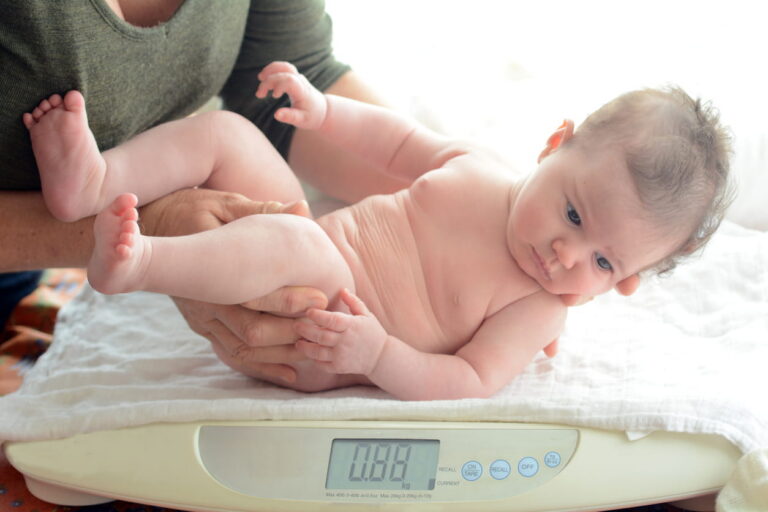
- Weight monitoring — newborns often lose up to 10% of birth weight before regaining it; providers track this closely to ensure healthy recovery
- Feeding assessment — evaluating breastfeeding latch, formula intake, feeding frequency, and signs of adequate hydration
- Jaundice check — bilirubin levels can spike in the first week; visual and lab screening catches this early
- Developmental and neurological assessment — reflexes, muscle tone, visual tracking, and responsiveness
- Parent education and Q&A — there’s no such thing as a question too small in the newborn period
- Establishing the vaccine schedule — the hepatitis B vaccine is typically given at birth or the first outpatient visit
7 Newborn Care Tips Every New Parent Should Know
- Feed on demand
Newborns need to eat 8-12 times per day in the early weeks. Their stomach capacity is tiny, and frequent feeding is essential for weight gain, milk supply (if breastfeeding), and brain development. Follow hunger cues — rooting, sucking hands, or fussing — rather than a strict clock schedule.
- Follow safe sleep guidelines every time
Always place your baby on their back, on a firm flat surface, with no soft bedding, bumpers, positioners, or loose items. Remember the ABCs: Alone, on their Back, in a Crib. These practices substantially reduce the risk of SIDS.
- Support the head at all times
Newborns lack the muscle strength to hold up their heads. Always cradle the head and neck when lifting, holding, or positioning your baby.
- Know what’s normal (and what’s not)
Normal newborn behaviors include grunting, sneezing, hiccupping, and sleeping 16-18 hours a day (in short bursts). Contact your pediatrician promptly for: blue or gray coloring around the lips, labored or rapid breathing, a fever (any fever in a baby under 2 months requires same-day evaluation), inconsolable crying lasting more than 2 hours, or difficulty waking for feeds.
- Umbilical cord stump care
Keep the stump clean and dry. Fold diapers below it to allow air circulation. It should fall off within 2-3 weeks. Call our office if redness spreads onto the surrounding skin, there is foul-smelling discharge, or the stump remains after 4 weeks.
- Prepare your home before baby arrives
- Install the car seat before the due date and have it inspected at a certified inspection station
- Set up the sleep space: firm crib or bassinet, fitted sheet only — nothing else in the sleep area
- Stock essentials: newborn and size 1 diapers, wipes, swaddle blankets, feeding supplies
- Baby-proof key hazards: outlet covers, cabinet locks, removing small objects from floor level
- Save your pediatrician’s number and know the after-hours protocol before you need it
- Give yourself grace
Parenting a newborn is hard. Every parent struggles with sleep deprivation, uncertainty, and the weight of a brand-new responsibility. Ask for help when you need it, accept support when it’s offered, and know that the newborn stage is temporary.
Our team is here from day one. Learn more about newborn care at Nevada Pediatric Specialists, or call (702) 457-5437 to schedule your baby’s first visit.