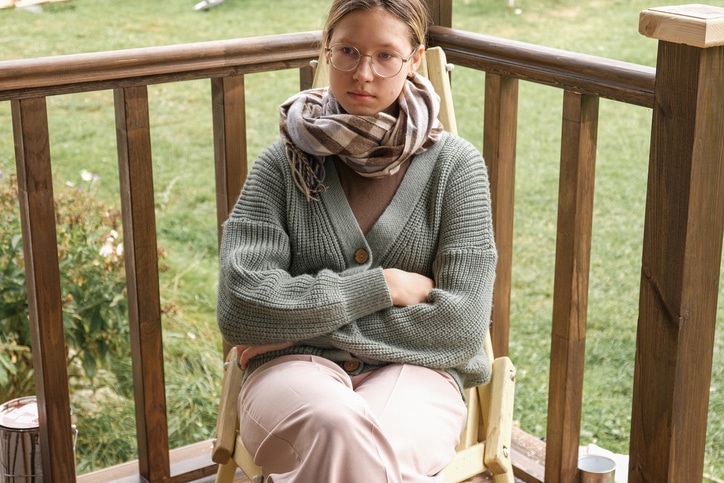
Is It More Than Just the Winter Blues? Recognizing Seasonal Depression in Teens
As daylight shortens and winter sets in, many teenagers experience shifts in mood and energy. Some of this is normal. But for a meaningful number of teens, the change in seasons triggers Seasonal Affective Disorder (SAD) — a clinically recognized form of depression that follows a seasonal pattern and requires real intervention.
What Is Seasonal Affective Disorder?
SAD is a type of depression linked to changes in light exposure. It most commonly begins in fall or early winter and lifts in spring. The exact mechanism involves the disruption of circadian rhythms, decreased serotonin activity, and excess melatonin production in response to longer nights.
SAD is not simply ‘being a bit down in winter.’ It’s a diagnosable condition that significantly impairs daily functioning.
Signs of SAD in Teenagers
- Persistent low mood, sadness, or hopelessness lasting weeks, not days
- Withdrawing from friends, family, and activities they normally enjoy
- Oversleeping — teens with SAD often struggle to get out of bed
- Increased appetite, particularly carbohydrate cravings, and weight gain
- Difficulty concentrating, declining school performance
- Fatigue and low energy even after adequate sleep
- Irritability, negativity, or feeling “empty”
When to Seek Help
If your teenager’s low mood persists for more than two weeks, is interfering with school or relationships, or includes any statements about hopelessness or self-harm, contact your pediatric provider promptly. SAD is treatable — light therapy, therapy, and in some cases medication are all effective options.
Our team provides behavioral health evaluations and adolescent medicine services. Call (702) 457-5437 to schedule.