When Picky Eating Signals Something More Serious
Almost every toddler goes through a picky eating phase. It’s one of the most universal parenting frustrations — and in most cases, it’s completely normal developmental behavior. But sometimes, picky eating is more than a phase. Knowing the difference can make a meaningful difference in your child’s nutrition and development.
Normal Picky Eating vs. Something More
Normal picky eating typically emerges between ages 2–5, improves over time, and involves a child who eats a limited but adequate variety of foods across food groups. The child is growing appropriately and isn’t distressed at mealtimes beyond typical toddler behavior.
Picky eating becomes a clinical concern — sometimes called Avoidant/Restrictive Food Intake Disorder (ARFID) or feeding disorder — when it involves:
- Eating fewer than 20 foods total, with extreme anxiety when anything new is introduced
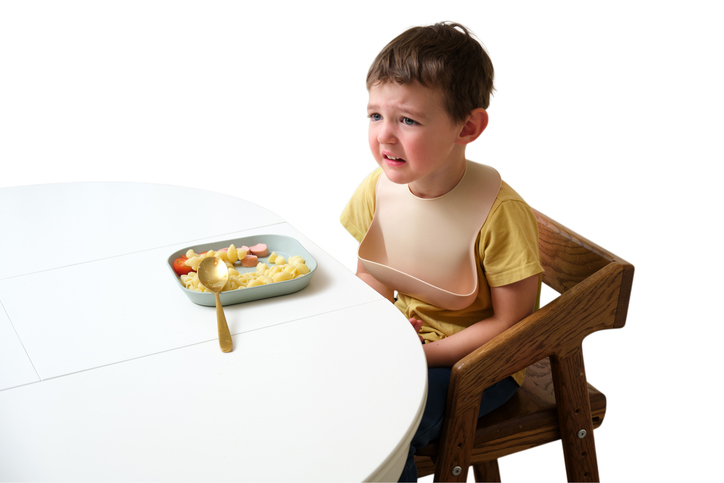
- Gagging, vomiting, or extreme distress at the sight or smell of non-preferred foods
- Limiting foods by texture, color, or brand to such a degree that nutrition is compromised
- Weight loss, poor growth, or nutritional deficiencies (iron, zinc, vitamin D)
- Significant social impairment — unable to eat at school, birthday parties, or family gatherings
Possible Underlying Causes
Extreme food selectivity can stem from sensory processing differences (especially in children with autism or ADHD), oral motor issues, anxiety, or a history of feeding problems or reflux in infancy. A thorough evaluation can identify what’s driving the behavior.
What to Do
If your child’s eating is affecting their growth, nutrition, or daily life, bring it up at the next well-child visit. We can assess growth trends, check for nutritional deficiencies, and refer to a feeding therapist or occupational therapist if appropriate.
Schedule a well-child visit or express concerns through our patient portal. Call (702) 457-5437 or visit nvpeds.com.