Why Are My Child’s Asthma Symptoms Worse in Spring?
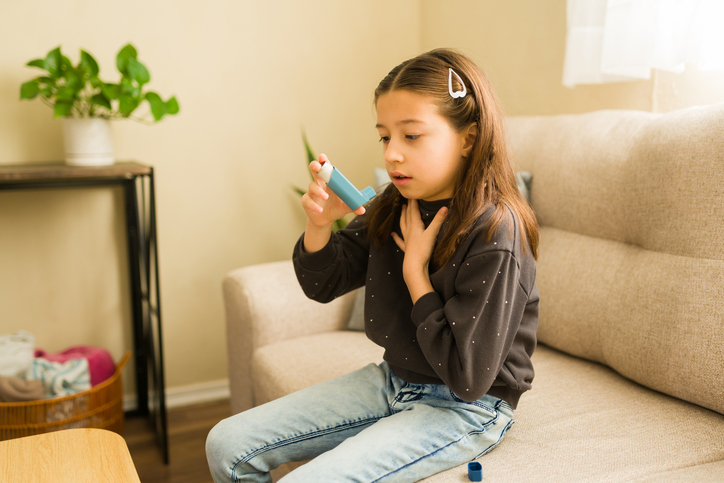
If you’ve noticed that your child’s asthma seems to flare up every spring, you’re not imagining it. For many children, spring is the most challenging season for asthma management — and the reason comes down to the relationship between allergies and airway inflammation.
The Asthma-Allergy Connection
Approximately 60-80% of children with asthma also have allergic triggers. In spring, pollen counts from trees, grasses, and weeds surge — and for allergy-driven asthma, this means a corresponding increase in airway inflammation, mucus production, and bronchospasm.
This overlap is often called allergic asthma, and it’s the most common type in children. Even children who don’t have classic allergy symptoms (runny nose, sneezing) can have airway inflammation triggered by pollen.
Other Spring Asthma Triggers
- Mold spores — spring rains increase outdoor mold levels
- Increased outdoor activity — more exercise exposure to allergen-heavy outdoor air
- Temperature swings — rapid changes in temperature can trigger airway constriction
- Air quality changes — wind disperses pollen and pollutants more aggressively
Managing Spring Asthma Flares
- Review the Asthma Action Plan before spring — confirm medications are current and filled
- Monitor local pollen counts (weather apps now include this) and limit peak outdoor time on high-count days
- Consider allergy evaluation — if allergic triggers drive your child’s asthma, allergy treatment can significantly reduce flares
- Use controller medication consistently — don’t skip doses during high-pollen periods
- Schedule a spring check-in — if symptoms worsen predictably every spring, a proactive visit before peak season helps
Call (702) 457-5437 to schedule an asthma review or telehealth visit before the pollen peaks.