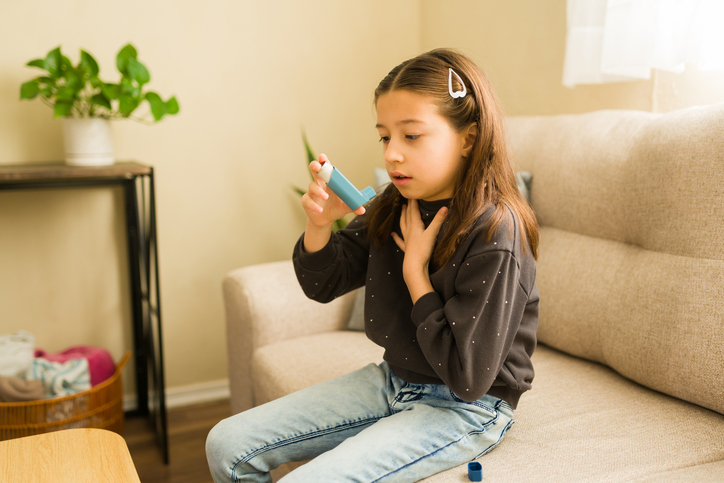

Can My Child Play Sports If They Have Asthma?
Short answer: almost certainly yes. Asthma should not sideline your child from sports and physical activity. In fact, regular exercise is beneficial for most children with asthma — it strengthens respiratory muscles, improves cardiovascular fitness, and supports overall lung function. The key is proper management.
Understanding Exercise-Induced Bronchoconstriction
Exercise-induced bronchoconstriction (EIB) — sometimes called exercise-induced asthma — is a temporary narrowing of the airways that occurs during or after vigorous physical activity, triggered by breathing in large volumes of dry, cool air. Symptoms typically peak 5-10 minutes after exercise ends and include coughing, wheezing, chest tightness, and shortness of breath.
EIB affects up to 90% of children with asthma to some degree — and in some children, it’s the only manifestation of their asthma.
Strategies for Safe Athletic Participation
- Pre-exercise rescue inhaler — using albuterol 15-20 minutes before activity prevents EIB in most children; ask your provider if this is appropriate
- Warm up gradually — a prolonged warm-up helps condition the airways before peak exertion
- Choose sports strategically — swimming (warm, humid air) and intermittent-effort sports like baseball and volleyball are generally easier for asthma than cold-air endurance sports
- Maintain controller medication consistently — don’t skip daily medications on practice days
- Keep rescue inhaler accessible — coaches and trainers should know where it is
- Recognize triggers — cold air, high pollen days, and illness increase risk
Talk to Your Provider
If your child wants to participate in a sport but you’re unsure whether their asthma is well-controlled enough, a sports physical and asthma management review can answer that question and create a safe participation plan.
Schedule an asthma or sports physical visit. Call (702) 457-5437 or visit our asthma services page.