The ABCs of Drowning Prevention: Essential Pool Safety Tips for Parents
Drowning is the leading cause of accidental death in children ages 1–4, and a leading cause through age 14. In Nevada, where pools and open water are abundant, the risk is particularly high. Most drownings are silent, fast, and preventable. Every parent needs to know these fundamentals.
The ABCs of Water Safety
A — Active Adult Supervision
Designate a dedicated “water watcher” every time children are near water — an adult whose only job is watching the water, phone down, no distractions. Rotate this role if needed. More adults present does not mean more supervision; without a designated watcher, everyone assumes someone else is watching.
B — Barriers
Four-sided pool fencing with a self-closing, self-latching gate that is at least 4 feet high is one of the most effective drowning prevention measures available. It prevents unsupervised pool access and has been shown to reduce childhood drowning risk by up to 83%.
C — Classes
Children ages 1–4 who receive formal swim instruction have significantly lower drowning risk. The American Academy of Pediatrics now recommends swim lessons starting at age 1 for children who have regular water exposure.
Additional Safety Measures
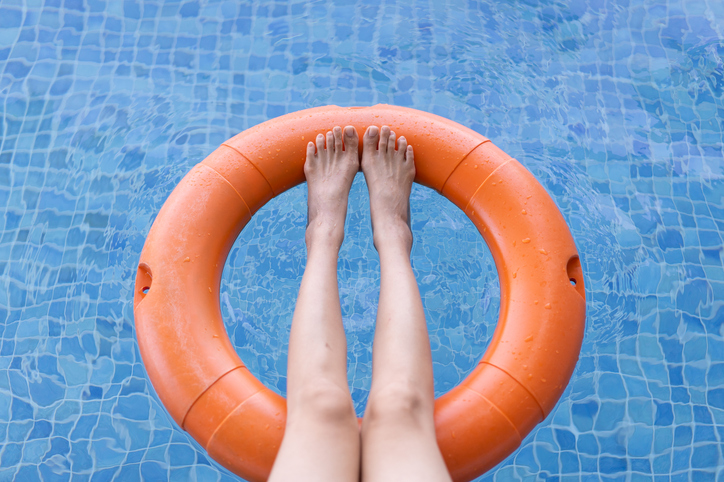
- Approved life jackets for all children in open water — pool floaties and arm swimmies are not substitutes
- Drain awareness — pool drain entrapment is a real hazard; ensure all drains have approved anti-entrapment covers
- CPR training — every parent and caregiver should know infant and child CPR
- Remove toys from the pool after use — toys near the water attract unsupervised children
Learn CPR. It takes 2 hours and can save your child’s life.
Safety questions? Bring them to your child’s next well-child visit. Call (702) 457-5437 to schedule.